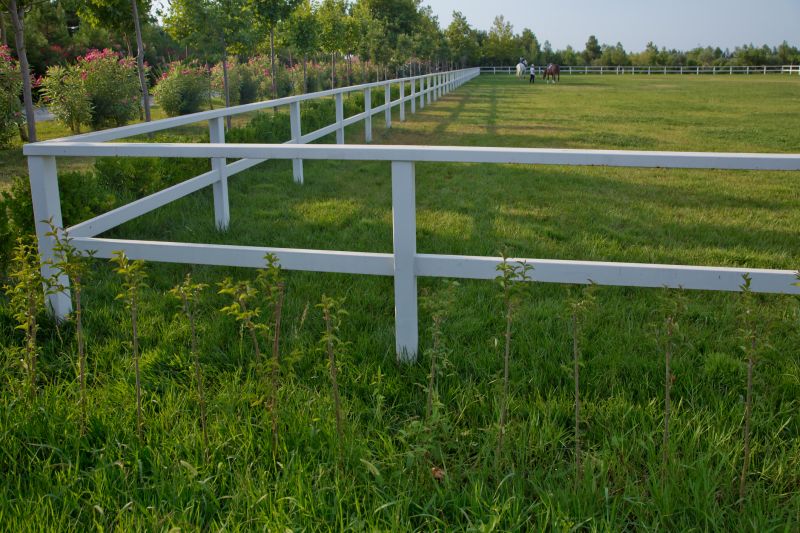
Equine Fence Installation in Roseville, CA
Equine fence installation services involve constructing sturdy and reliable enclosures designed specifically for horses and other livestock. These projects typically include selecting appropriate fencing materials such as wood, vinyl, or wire, and designing layouts that ensure safety, durability, and ease of access. Property owners often request these services for creating pastures, riding arenas, or stall boundaries, aiming to keep animals secure while maintaining an attractive appearance. Before requesting installation, it’s helpful to consider the size of the area, the type of fencing material preferred, and any specific features like gates or access points needed for daily use.
Understanding property requirements is essential when planning an equine fencing project. Homeowners usually want to know about the durability of different fencing options, maintenance needs, and how the fencing will fit into the overall landscape. It’s also important to consider local regulations or HOA guidelines that might influence fencing choices. Clear communication about the scope of the project, including the total length of fencing and any special features, helps ensure the final installation meets safety standards and functional needs for horse containment and pasture management.
Many property owners in Roseville, CA look into Equine Fence Installation for repairs, replacements, upgrades, and appearance-related improvements.
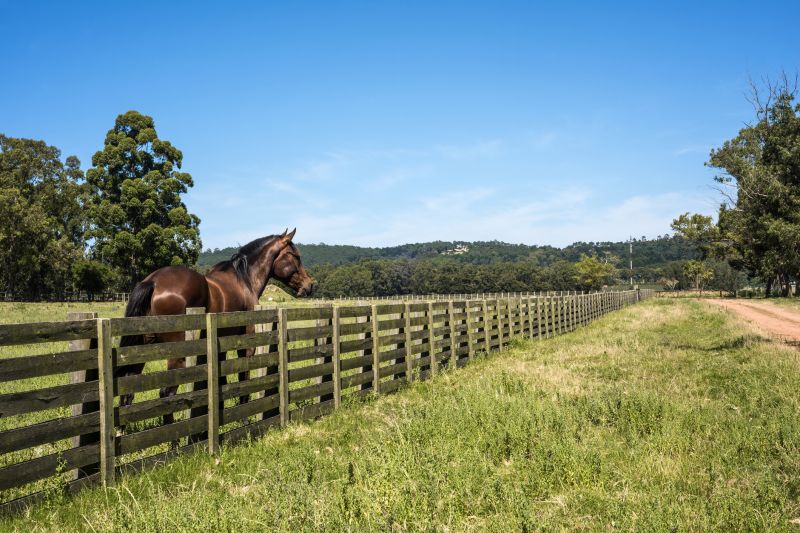
Types Of Equine Fences
Different fencing options are available to suit various horse safety and property needs.
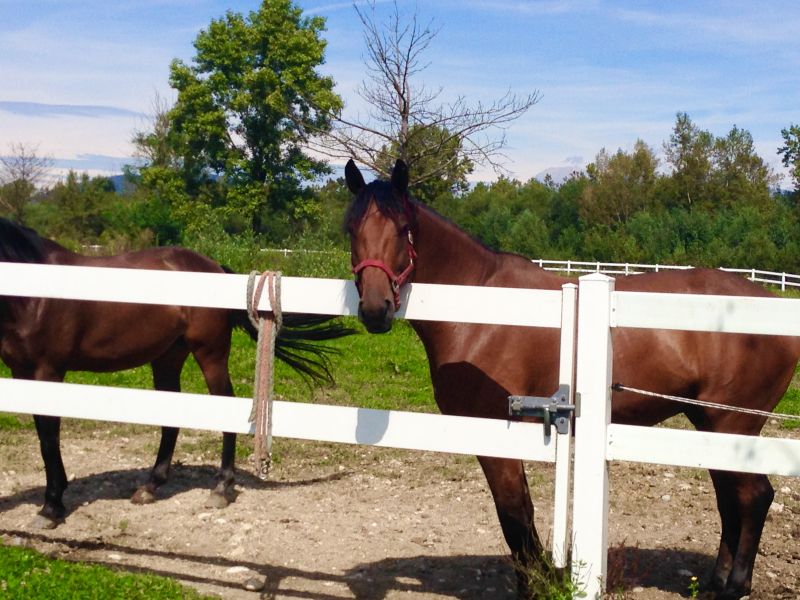
Design Considerations
Proper fence height, material, and layout help ensure secure and functional enclosures.
Maintenance & Care
Regular upkeep of fences helps maintain durability and safety for horses on properties around roseville, ca.
Equine Fence Installation in Roseville, CA
Equine fence installation services involve constructing sturdy and reliable enclosures designed specifically for horses and other livestock. These projects typically include selecting appropriate fencing materials such as wood, vinyl, or wire, and designing layouts that ensure safety, durability, and ease of access. Property owners often request these services for creating pastures, riding arenas, or stall boundaries, aiming to keep animals secure while maintaining an attractive appearance. Before requesting installation, it’s helpful to consider the size of the area, the type of fencing material preferred, and any specific features like gates or access points needed for daily use.
Understanding property requirements is essential when planning an equine fencing project. Homeowners usually want to know about the durability of different fencing options, maintenance needs, and how the fencing will fit into the overall landscape. It’s also important to consider local regulations or HOA guidelines that might influence fencing choices. Clear communication about the scope of the project, including the total length of fencing and any special features, helps ensure the final installation meets safety standards and functional needs for horse containment and pasture management.
Many property owners in Roseville, CA look into Equine Fence Installation for repairs, replacements, upgrades, and appearance-related improvements.
Common Equine Fence Installation Jobs
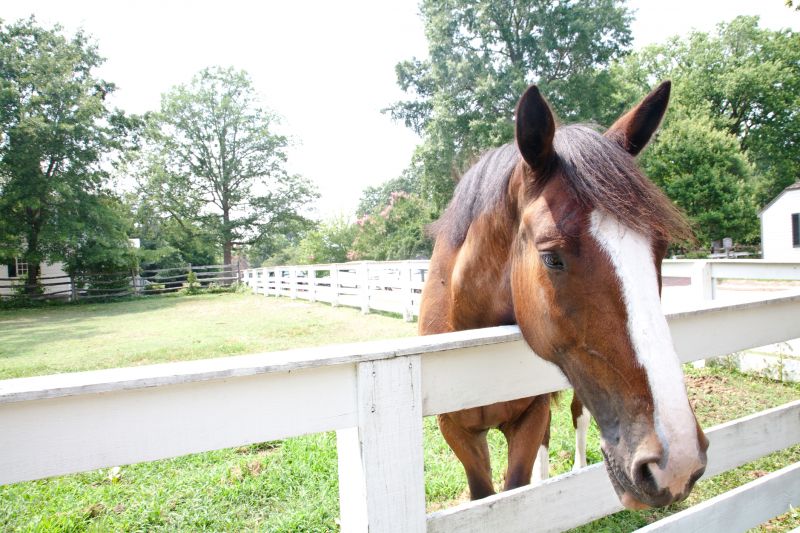
Wooden fences - ideal for creating a traditional and natural boundary around a property.
Vinyl fences - offer low-maintenance solutions that withstand weather and wear.
Wire fences - provide a practical option for containing horses and livestock securely.
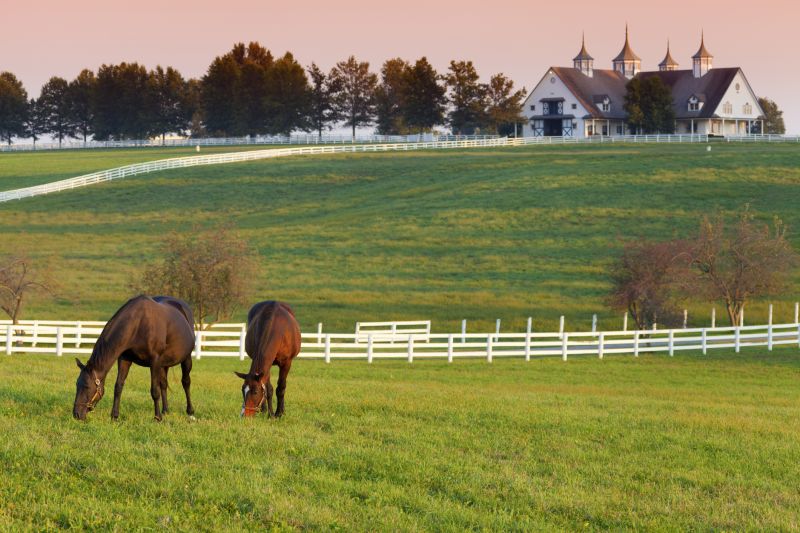
Board fences - enhance the aesthetic appeal while maintaining durability for equine enclosures.
Electric fences - serve as an effective method to control and manage horse movement safely.
Custom fence designs - tailored to fit specific property layouts and fencing needs.
Equine Fence Installation Questions
What types of fencing are suitable for horses? Common options include wooden, vinyl, and wire fencing, each providing safety and durability for equine enclosures.
How deep should fence posts be installed for horses? Posts are typically set at least one-third of their length below ground to ensure stability and prevent tipping.
What height is recommended for horse fences? Fences are generally built between 4.5 and 5 feet high to prevent horses from jumping over.
Are there specific materials that work best for equine fencing? Materials like treated wood, vinyl, and high-tensile wire are popular for their strength and low maintenance needs.
Request Equine Fence Installation in Roseville, CA
Use the quote form on this page to share the basics of your project and request more information for the type of work you need.