Get Industrial Fence Installation
Local contractors provide industrial fence installation services that secure properties, define boundaries, and support projects like warehouses, factories, or construction sites.
If you are considering industrial fence installation, you’ve come to the right place to start exploring your options. Property owners in the area often look into fencing for a variety of practical reasons, including enhancing security, defining boundaries, or improving privacy on commercial or industrial sites. Planning a fencing project involves understanding different materials, styles, and installation approaches, making it helpful to compare local service providers who specialize in this work.
By exploring your local options, you can find experienced contractors capable of handling the specific requirements of your project. Whether you need a durable perimeter fence, access control solutions, or specialized security features, there are professionals nearby ready to assist. Keep reading to learn more about how to connect with qualified service providers who can help bring your fencing project to completion.
- Perimeter Security Fencing - when businesses or property owners need to secure their boundaries against unauthorized access.
- Industrial Warehouse Fencing - for facilities requiring durable barriers to protect inventory and equipment.
- Construction Site Fencing - during development projects to ensure safety and restrict access to authorized personnel.
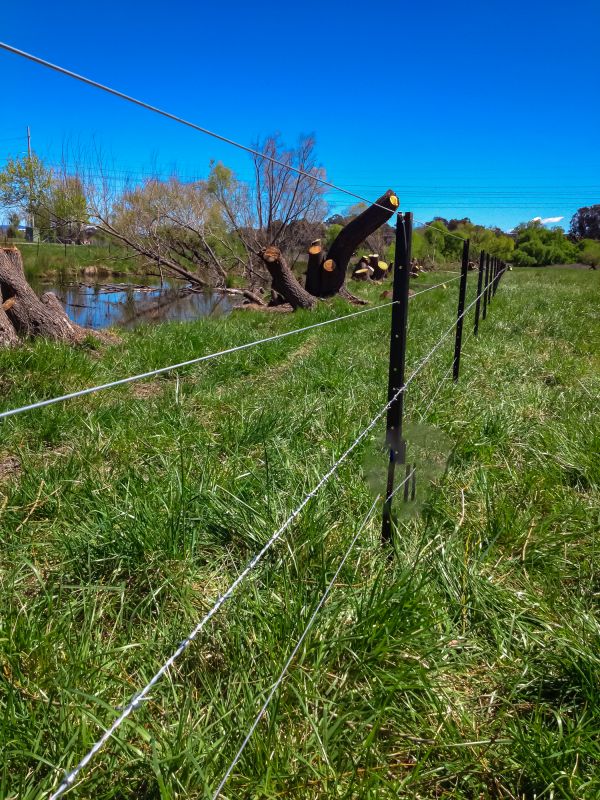
- Agricultural Fence Installation - when farms or ranches need to contain livestock or protect crops from wildlife.
- Commercial Property Enclosures - for retail or industrial sites looking to define their property lines and enhance security.
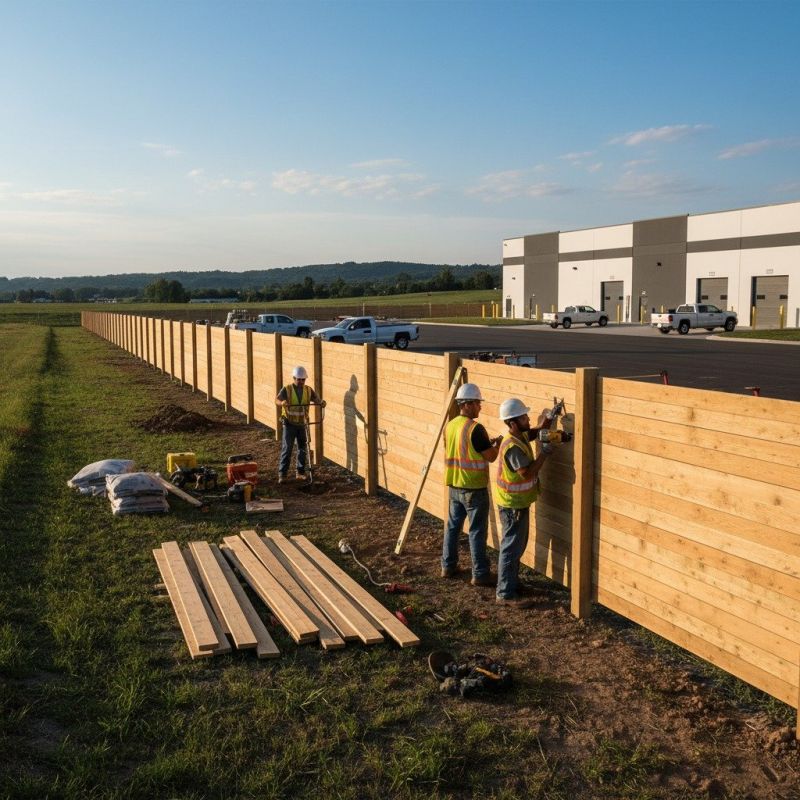
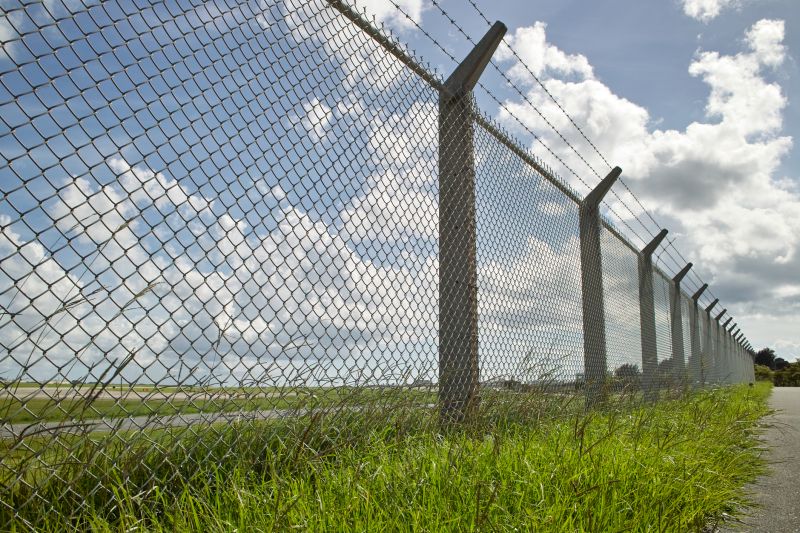
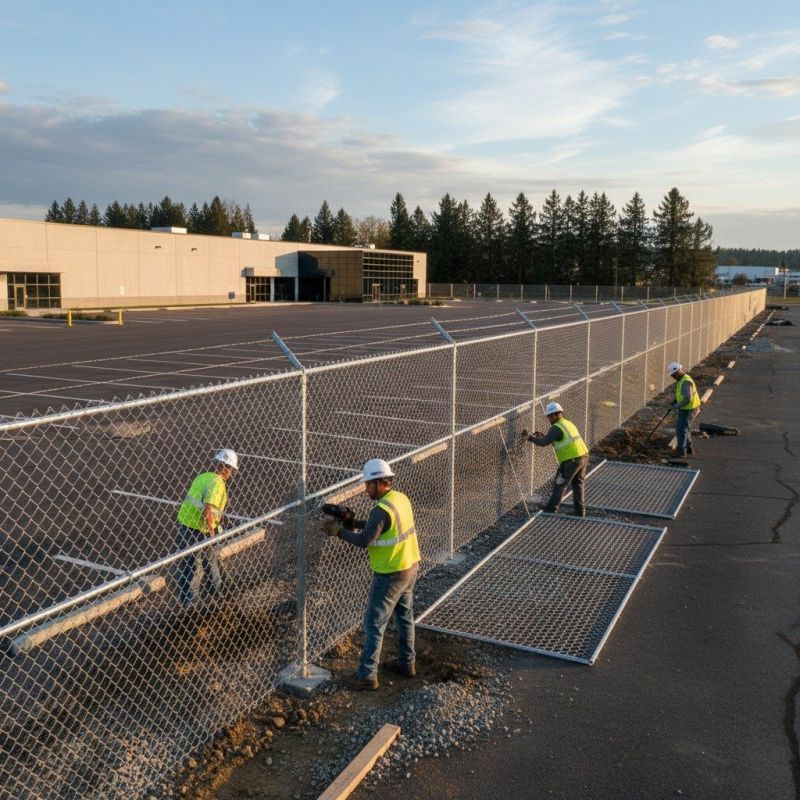
Industrial fence installation services involve the design, placement, and assembly of durable fencing solutions tailored for commercial, industrial, and large-scale property needs. These services typically include selecting the appropriate fencing materials, preparing the site, and installing fences that meet specific security and boundary requirements. Experienced contractors work with a variety of fencing types, such as chain-link, steel, aluminum, and welded wire, ensuring that the installation is both sturdy and functional. The goal is to create a secure perimeter that can withstand demanding conditions while providing clear property boundaries.
One of the primary problems that industrial fencing helps solve is unauthorized access. For facilities that store valuable equipment, sensitive materials, or hazardous substances, a reliable fence acts as a physical barrier to prevent trespassers and theft. Additionally, fences can help contain employees, equipment, or livestock, reducing the risk of accidents or accidental entry into unsafe areas. Industrial fences also aid in defining property lines, minimizing disputes with neighboring properties, and establishing clear security zones for operational safety.
Properties that typically utilize industrial fencing include manufacturing plants, warehouses, distribution centers, construction sites, and large commercial properties. These facilities often require fences that can withstand harsh weather, resist tampering, and provide long-term security. In many cases, industrial fences are also used around government facilities, airports, and utility sites, where high levels of security are essential. Homeowners with large estates or those seeking added privacy and security for their property may also consider industrial-style fencing solutions for their residential boundaries.
For property owners considering industrial fence installation, understanding the scope of the service can help identify when it’s needed. If there is a need to secure a large outdoor area, restrict access to certain zones, or establish clear property boundaries, professional fencing services can provide the right solution. Local contractors who specialize in industrial fencing can assess the property’s specific needs, recommend suitable materials, and handle the installation process efficiently. Connecting with experienced service providers ensures that the fencing will serve its intended purpose effectively and stand up to the demands of the environment.
The overview below groups typical Industrial Fence Installation projects into broad ranges so you can see how smaller, mid-sized, and larger jobs often compare in your area.
In many markets, a large share of routine jobs stays in the lower and middle ranges, while only a smaller percentage of projects moves into the highest bands when the work is more complex or site conditions are harder than average.
Smaller Repairs - Typical costs for minor fence repairs, such as replacing a few panels or posts, generally range from $250 to $600. Many routine maintenance jobs fall within this middle range, depending on the extent of the damage.
Standard Fence Installation - Installing a new fence on a standard residential property usually costs between $1,500 and $4,000. Most projects in this category are straightforward and fall within this typical range.
Full Fence Replacement - Replacing an entire existing fence can range from $3,000 to $8,000 or more, especially for larger properties or high-end materials. Fewer projects reach the higher end of this spectrum, which is reserved for more complex or extensive work.
Commercial or Custom Projects - Larger or specialized industrial fence installations can start around $5,000 and may exceed $20,000 for complex, high-security systems. These projects are less common and tend to fall into the higher cost brackets due to scope and materials.
Actual totals will depend on details like access to the work area, the scope of the project, and the materials selected, so use these as general starting points rather than exact figures.
Perimeter Security Fencing - local contractors specializing in perimeter fencing projects share skills in site planning, material selection, and installation techniques similar to industrial fence installation.
Warehouse Enclosure Fencing - installing secure enclosures for warehouses involves planning and building durable fences with the same tools and methods used for industrial fencing projects.
Construction Site Fencing - temporary fencing for construction sites requires similar expertise in site layout, material handling, and safety considerations as industrial fence installation.
Industrial Gate Installation - setting up gates for industrial facilities involves understanding access control and structural support, paralleling skills used in industrial fencing projects.
Security Barrier Installation - local service providers experienced in installing barriers for security purposes utilize comparable planning and installation techniques as those for industrial fences.
Storage Yard Fencing - creating fencing solutions for storage yards demands similar planning, material knowledge, and installation skills as industrial fencing services.
When comparing contractors for industrial fence installation, it’s important to consider their experience with similar projects. Homeowners should look for service providers who have a proven track record of handling industrial fencing jobs comparable in scope and complexity. This can help ensure that the contractor understands the specific requirements, materials, and regulations associated with such projects, leading to a smoother installation process and a result that meets expectations.
Clear and detailed written expectations are essential when evaluating local contractors. Homeowners should seek providers who can articulate their approach, outline the scope of work, and specify the materials and methods they plan to use. Having this information in writing helps prevent misunderstandings and provides a solid basis for comparison. It also allows homeowners to assess whether the contractor’s approach aligns with their needs and preferences before any work begins.
Reputable references and good communication are key factors in selecting a dependable service provider. Homeowners should ask contractors for references from past clients with similar projects and take the time to verify their experiences. Additionally, effective communication-prompt responses, clarity, and transparency-can indicate a contractor’s professionalism and commitment to customer satisfaction. While this site introduces homeowners to local options, it emphasizes the importance of researching and connecting with service providers who demonstrate expertise, reliability, and clear communication to ensure a successful fencing project.
Property owners use Industrial Fence Installation services for practical projects around their homes and businesses. This guide focuses on everyday jobs and straightforward project options.
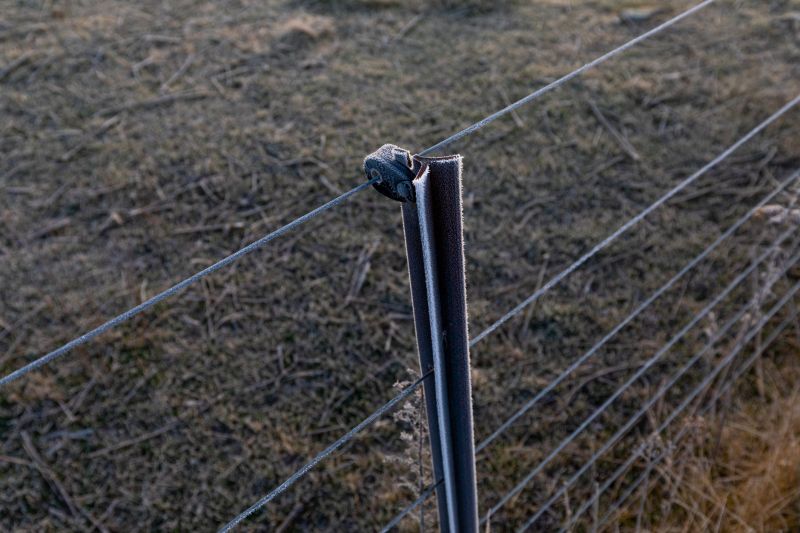
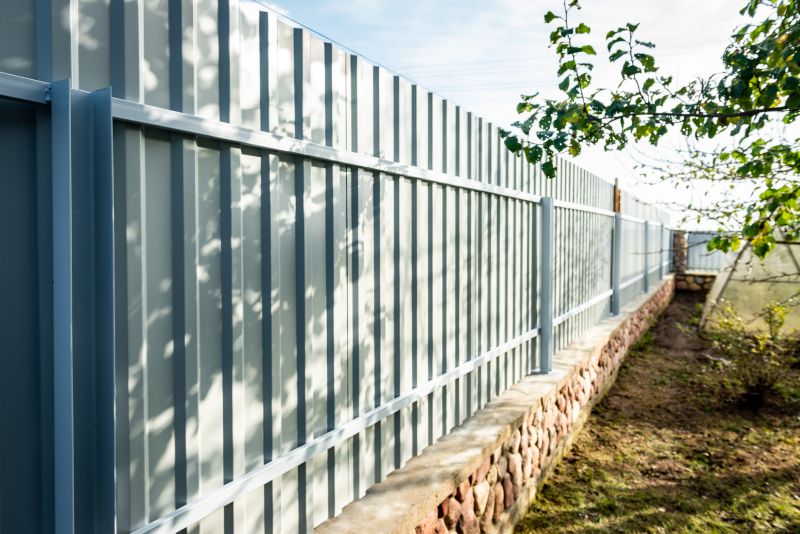
Industrial fence installation is a common project for property owners who need to secure their facilities, warehouses, or outdoor storage areas. Local contractors are often called upon to install fences that provide privacy, safety, and boundary definition, whether for protecting equipment or preventing unauthorized access. These projects might arise from the need to enclose a construction site, secure a commercial property, or establish clear property lines on industrial land.
Many property owners seek out local service providers for industrial fencing to address specific concerns such as safety regulations, security enhancements, or property delineation. Whether upgrading an existing fence or installing a new one, local contractors can handle a variety of fencing materials and styles to meet the needs of industrial sites. Connecting with experienced professionals helps ensure the work is completed efficiently and to the property's specifications.
What types of industrial fences can local contractors install? Local contractors offer a variety of industrial fencing options, including chain-link, steel panel, barbed wire, and security fencing, to meet different security and perimeter needs.
How do I determine the best fencing material for my industrial property? Local service providers can assess your property's requirements and recommend suitable materials based on security, durability, and environmental conditions.
Are there specific regulations or permits needed for industrial fence installation? Regulations and permit requirements vary by location; local contractors can help navigate local codes and ensure compliance for your fencing project.
What maintenance is typically required for industrial fences? Maintenance needs depend on the fencing material used, but generally include periodic inspections, rust prevention, and repairs to ensure continued security and functionality.
Can local contractors customize industrial fences to match specific security needs? Yes, local service providers can customize fencing solutions with features like additional height, security gates, or reinforced materials to meet unique security requirements.
Perimeter Security - Property owners can install fences to secure their yards and prevent unauthorized access.
Privacy Enhancement - Installing fences provides privacy for outdoor activities and reduces visibility from neighbors.
Animal Containment - Fences help keep pets and livestock safely within designated areas on the property.
Property Boundary Marking - Defining clear property lines with fences helps prevent disputes and clarifies ownership boundaries.
If you are thinking about Industrial Fence Installation for a property, this guide is meant to help you understand the work, the typical project types, and how different options might fit your plans.
When you are ready, you can use the quote form on this page to share a few details about your project. From there, local pros can review the basics and respond with options that match what you have in mind.